Understanding the Role of Islamic Libraries in Modern Education
Islamic libraries have long been vital centers for the preservation and dissemination of knowledge within Muslim communities. In today’s fast-paced, technology-driven world, these libraries continue to play a crucial role in supporting modern education. By offering access to both classical Islamic texts and contemporary scholarly works, Islamic libraries bridge the gap between tradition and modernity. They not only preserve rich cultural heritage but also foster critical thinking, research, and intellectual growth among students, educators, and scholars worldwide. Understanding their evolving role helps us appreciate their continued relevance in modern educational systems.
The Evolving Role of Islamic Libraries in Modern Education
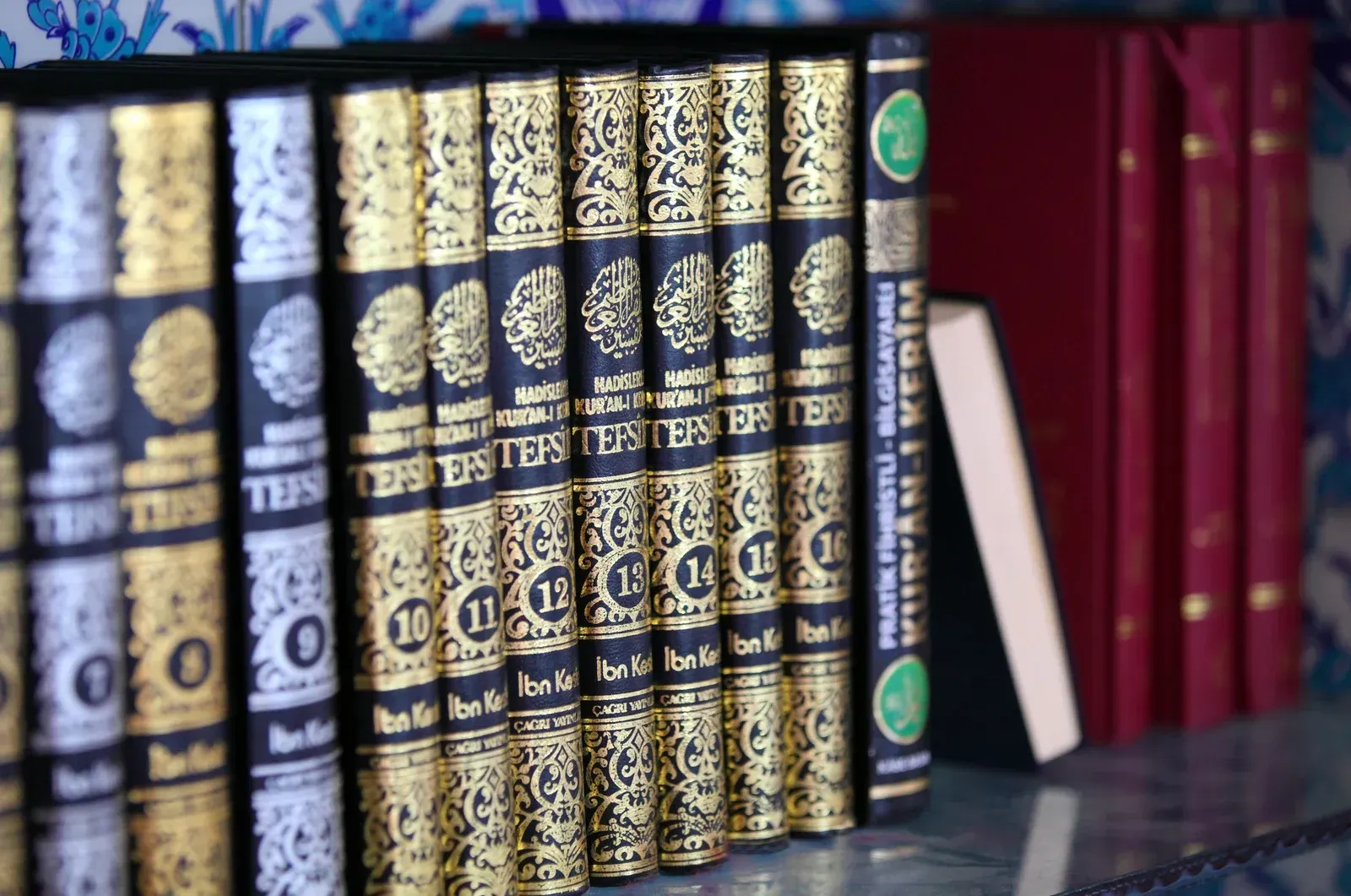
Islamic libraries serve as more than mere repositories of religious texts. They are dynamic centers that promote learning, research, and community engagement. Traditionally, these libraries housed manuscripts of the Quran, Hadith, fiqh (Islamic jurisprudence), and other religious sciences. However, in the context of modern education, their collections have expanded to include contemporary books on science, philosophy, history, and social studies, all through an Islamic perspective.
Providing Authentic and Reliable Resources
One of the key roles of Islamic libraries today is to provide students and researchers with authentic resources. With the vast amount of information available online, distinguishing reliable Islamic knowledge from misinformation has become a challenge. Islamic libraries offer curated, verified collections that support academic rigor and intellectual integrity.
Embracing Digital Transformation for Global Access
Additionally, many Islamic libraries have embraced digital transformation by digitizing manuscripts and books, thus making them accessible globally. This shift enhances educational outreach, enabling learners anywhere to engage with valuable Islamic texts without geographic constraints. Digital access also supports interfaith dialogue and comparative religious studies, fostering a broader understanding of Islam within the global academic community.
Serving as Community Learning Centers
Islamic libraries also act as community centers that host lectures, workshops, and study groups. These activities encourage lifelong learning and connect people from diverse backgrounds through shared intellectual and spiritual interests. By integrating modern educational tools such as multimedia resources and e-learning platforms, these libraries are modernizing traditional learning methods while preserving their essence.
Collaborating with Educational Institutions
Moreover, Islamic libraries often collaborate with universities and educational institutions to support curriculum development and research projects. They provide scholars with rare manuscripts and archival materials essential for advanced Islamic studies. This collaboration enriches both religious education and secular academic disciplines, promoting interdisciplinary approaches.
Nurturing Informed and Thoughtful Individuals
In essence, Islamic libraries are critical in nurturing informed, thoughtful individuals who can contribute meaningfully to society. Their role extends beyond preservation to active participation in the evolving educational landscape, blending Islamic heritage with contemporary knowledge and technology.
Empowering Education through Tradition and Innovation
The Islamic Library Association in Charlotte, North Carolina, exemplifies the vital role Islamic libraries play in modern education. With over 15 years of dedicated service, the Association has become a trusted resource for students, educators, and researchers seeking authentic Islamic knowledge and scholarly resources. By blending traditional texts with modern technology and community engagement, The Islamic Library Association empowers learners to explore their faith and culture while embracing the broader educational landscape. As education continues to evolve, Islamic libraries like this remain essential in preserving heritage and fostering intellectual growth for future generations.